Higashimurayama Guide: Tokyo's Only National Treasure Hall, Japan
Published · 7 min read
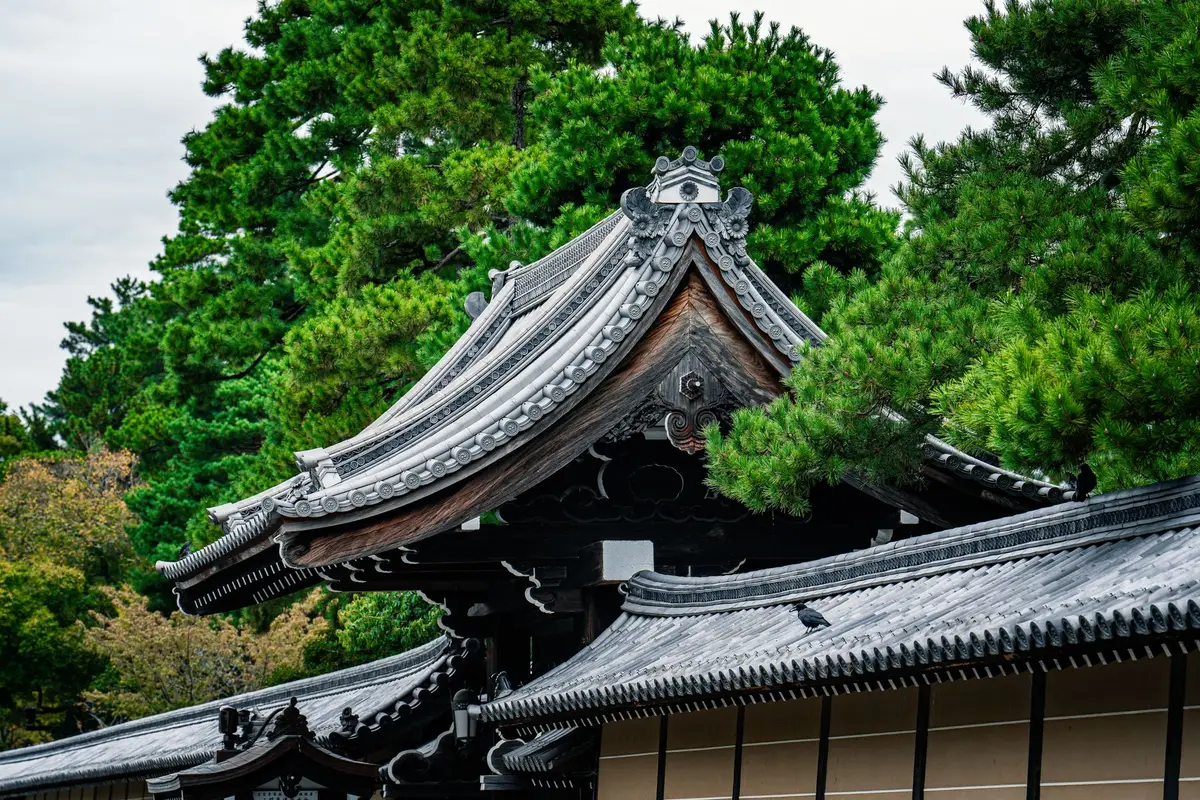
Higashimurayama is a quiet residential city in western Tokyo that holds something no other part of the capital has: the only wooden building in Tokyo designated a National Treasure. The Jizo Hall of Shofukuji Temple was built in 1407 and still stands in a neighborhood of houses and small fields, about half an hour by train from Shinjuku.
Around it are the green Sayama Hills on the Tokyo–Saitama border, an iris garden that fills with color every June, a museum of Jomon-period finds and a sake brewery with roots going back to 1596. Almost nothing about the city is written in English, so this Higashimurayama guide pulls together what the city, the Tokyo Metropolitan Government and Japan's Agency for Cultural Affairs publish in Japanese.
Quick facts
| Where | Higashimurayama City, western Tokyo (Tama area), on the border with Saitama Prefecture |
| Nearest airport | Haneda (HND) or Narita (NRT), both serving Tokyo (TYO) |
| Nearest station | Higashi-Murayama Station (Seibu Shinjuku Line); Seibuen Station for the Sayama Hills |
| Best time | Early to mid June for irises; the three days a year when the Jizo Hall interior opens |
| Time needed | Half a day to a full day |
| Getting around | On foot; most sights are a 15–20 minute walk from Higashi-Murayama Station |
Why Higashimurayama is worth the trip
Most visitors to western Tokyo head for Mount Takao or the Okutama mountains. Higashimurayama is different: it is flat, easy to walk and close to the city, and its draw is history rather than scenery. According to the Agency for Cultural Affairs, the Jizo Hall is the oldest Zen-style Buddhist hall in the Kanto region whose construction date is known, which makes it a reference example for the style.
It also works well as a half-day trip. You can see a 600-year-old building, walk a wooded ridge and eat a local noodle dish that only exists here, then be back in Shinjuku for dinner. If you prefer river scenery, our guide to Akigawa Valley covers a gorge further west, and the hidden gems in Tokyo hub collects more quiet corners of the city.
Top things to do in Higashimurayama
1. See the Jizo Hall of Shofukuji Temple
Shofukuji is a small Rinzai Zen temple. Its main hall, the Jizo-do (a hall for Jizo, the bodhisattva who protects children and travelers), was built in 1407. The date is known because an ink inscription was found on a roof bracket during repairs in 1933. The building has a hipped-and-gabled roof of thin wooden shingles, with an extra lower roof (mokoshi) around it, and it closely resembles the Shariden relic hall of Engakuji Temple in Kamakura. According to the Agency for Cultural Affairs, it keeps its original appearance better than the Kamakura hall, including inward-opening doors.
Locally it is also called the Sentai Jizo-do, the "hall of a thousand Jizo," because worshippers have offered small Jizo statues here over the centuries; around 1,100 are kept inside. The temple's founding legend says that Hojo Tokimune, regent of the Kamakura shogunate, fell ill while hawking in the area, received medicine from Jizo in a dream, recovered, and founded the temple in thanks.
You can see the outside of the hall any day. The roof is re-shingled about once every 30 years; the most recent work, in 2005, also repaired the doors and floor.
2. Time your visit for an interior opening day
The interior opens only three times a year: the second Sunday of June, August 8 and November 3. These are the only chances to see the thousand Jizo figures and the hall's inner ceiling. Photography rules differ by day and are stricter on November 3. A Jizo festival is held at the temple in November. Check with the Higashimurayama Furusato History Museum, which manages enquiries about the hall, before planning around these dates.
3. Walk among the irises at Kitayama Park
Kitayama Park sits at the foot of the Sayama Hills, about a 20-minute walk from the west exit of Higashi-Murayama Station. Its marshy fields hold about 8,000 clumps of Japanese iris (hanashobu) in around 600 varieties. The Higashimurayama Iris Festival is held here from early to mid June, when the purple, white and blue flowers are at their best. Outside the season it is a peaceful open park with views of the wooded hills behind.
4. Hike the ridge of Hachikokuyama
Hachikokuyama Green Space runs along the Tokyo–Saitama border as a long strip of woodland. The name means "eight-province mountain," from the old belief that eight provinces could be seen from its top. It is only 89.4 m high, so the walk is gentle. On the summit is a mound called Shogun-zuka, and at the foot stands a stone marking the site of the Kumegawa battlefield. The woods keep the feel of traditional satoyama farmland forest. The nearest station is Seibuen, about five minutes away on foot, and you can walk down to Kitayama Park from the ridge.
5. Visit the museums of local history
Two small city museums are worth a stop on a rainy day. Hachikokuyama Taiken no Sato displays finds from the Shimoyakebe site, a Jomon-period wetland site known for lacquer-related objects, and offers hands-on activities such as Jomon pottery making. The Higashimurayama Furusato History Museum tells the story of daily life in the area from ancient times to today with real objects. Nearby Tokuzoji Temple also runs a small museum of itabi (medieval stone memorial tablets), including a nationally designated Important Cultural Property.
6. Taste black yakisoba and local sake
Higashimurayama's local dish is kuro yakisoba, "black fried noodles." The color comes from a sauce made by Polestar, a sauce maker with a factory in the city, which blends Worcester-style sauce with squid ink, kurozake (a dark rice liquor from Kagoshima) and around ten spices. Many restaurants in town serve dishes with it, and the sauce is sold at the company's own shop in Kumegawa-cho. The city is also home to Toshimaya Shuzo, a brewery set up here in the early Showa era by Toshimaya, a Tokyo sake business founded in 1596. It brews brands such as Kinkon and Yamori and holds brewery tours and tasting events; check its website for dates.
How to get to Higashimurayama
By air: Fly into Tokyo. Haneda Airport (HND) is the closer of the two airports to the city center; Narita Airport (NRT) has more long-haul flights. Both are under the Tokyo (TYO) city code.
From Haneda: Take the Keikyu Line or Tokyo Monorail into the city, change to the JR Yamanote Line, and ride to Takadanobaba. There, change to the Seibu Shinjuku Line for Higashi-Murayama.
From Narita: Take a train into central Tokyo (for example to Shinjuku or Nippori), then continue to Takadanobaba or Seibu-Shinjuku Station and board the Seibu Shinjuku Line.
From Shinjuku: Seibu-Shinjuku Station is next to the main Shinjuku area. Faster trains reach Higashi-Murayama in about 30 minutes. For the Sayama Hills, change at Higashi-Murayama to the short Seibuen Line and ride one stop to Seibuen.
Where to stay
Higashimurayama is an easy day trip, so most visitors stay in central Tokyo. Shinjuku is the most practical base, because the Seibu Shinjuku Line starts there and the rest of Tokyo is close by. If you are combining this trip with an old-town walk, the Yanaka guide covers a neighborhood that is also convenient for Narita.
Sample itinerary
Half day (morning):
- Train from Seibu-Shinjuku to Higashi-Murayama.
- Walk about 15 minutes to Shofukuji and see the Jizo Hall.
- Continue to Kitayama Park, then climb the Hachikokuyama ridge.
- Walk down to Seibuen Station and ride back via Higashi-Murayama.
- Black yakisoba for lunch near Higashi-Murayama Station.
Full day: Add the Furusato History Museum and Hachikokuyama Taiken no Sato, and finish at Tokuzoji's stone tablet museum.
Tips before you go
- The Jizo Hall interior is open only on the second Sunday of June, August 8 and November 3. On other days you see the outside only.
- Shofukuji is an active temple in a residential area. Keep your voice down and do not enter roped-off areas.
- The city museums close on certain weekdays (not only Mondays), so check their calendars before you go.
- Kitayama Park's irises peak in early to mid June, which is also the rainy season. Bring an umbrella and good shoes, as paths near the fields can be muddy.
- At Higashi-Murayama Station's east exit there is a statue of comedian Shimura Ken, the city's most famous native son, a popular meeting point for Japanese visitors.
- Most of the information on these sights, including the iris festival, is published only in Japanese. A translation app helps with signs and menus.
FAQ
Is Higashimurayama worth visiting? Yes, if you like history and quiet walks. It has the only wooden National Treasure building in Tokyo, an iris garden in June and easy woodland trails, all about 30 minutes from Shinjuku.
How do I get to Higashimurayama from Shinjuku? Take the Seibu Shinjuku Line from Seibu-Shinjuku Station to Higashi-Murayama. Faster trains take about 30 minutes.
When can you go inside the Shofukuji Jizo Hall? The interior opens three days a year: the second Sunday of June, August 8 and November 3. The exterior can be seen at any time.
When is the best time to see the irises at Kitayama Park? Early to mid June, when the Higashimurayama Iris Festival is held.
Check today's lowest fares to Japan and fly into Tokyo (Haneda or Narita) for Higashimurayama.